
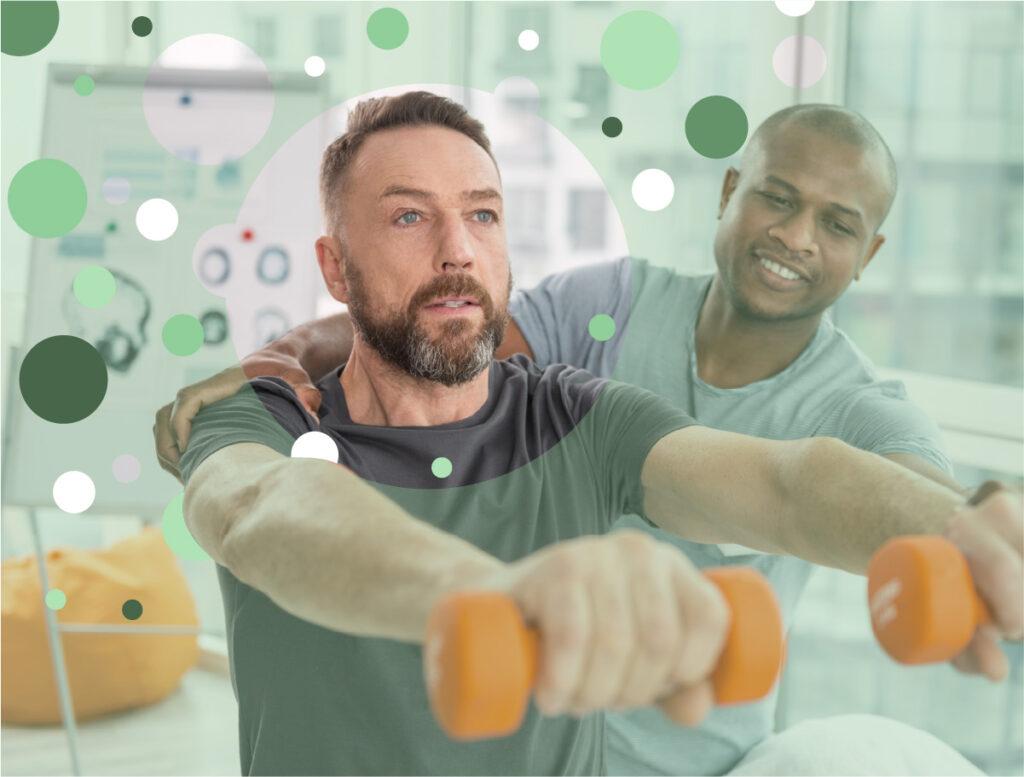
Brain injury rehabilitation is a crucial aspect of healthcare that focuses on helping individuals regain function, independence, and quality of life after a traumatic brain injury (TBI) or other neurological events. In Michigan, specialized neurorehabilitation programs are increasingly recognized for their role in providing tailored care that addresses the unique needs of each patient. With advancements in medical technology, therapy techniques, and multidisciplinary care, patients now have access to comprehensive rehabilitation services designed to maximize recovery.
Understanding Brain Injury Rehabilitation
Brain injury rehabilitation is a specialized medical process aimed at helping patients recover from neurological damage caused by trauma, stroke, infections, or degenerative diseases. The process typically involves a combination of physical therapy, occupational therapy, speech-language therapy, cognitive rehabilitation, and psychological support. The ultimate goal is to help patients regain as much independence as possible and to facilitate their reintegration into daily life, work, and social activities.
Recovery from a brain injury varies significantly depending on the severity of the injury, the area of the brain affected, and the patient’s overall health. Mild injuries may require short-term rehabilitation, while severe injuries often demand long-term, intensive care that involves a coordinated effort from a multidisciplinary team.
Key Components of Neurorehabilitation in Michigan
- Physical Therapy: Physical therapists work with patients to restore mobility, balance, and strength. They use targeted exercises, gait training, and other interventions to improve physical function and reduce the risk of secondary complications such as muscle atrophy or joint stiffness.
- Occupational Therapy: Occupational therapists help patients regain the ability to perform daily activities, such as dressing, cooking, and using adaptive equipment. Their goal is to enhance independence and promote participation in meaningful life activities.
- Speech and Language Therapy: Brain injuries can affect communication, swallowing, and cognitive-linguistic skills. Speech-language pathologists provide interventions that focus on improving speech clarity, comprehension, memory, attention, and problem-solving skills.
- Cognitive Rehabilitation: Many patients experience cognitive deficits after a brain injury, including memory loss, difficulty concentrating, and impaired executive function. Cognitive rehabilitation specialists use structured exercises and strategies to help patients regain these skills.
- Psychological and Emotional Support: Brain injury can profoundly impact mental health, leading to depression, anxiety, or behavioral changes. Neurorehabilitation programs include counseling, support groups, and psychiatric care to address these challenges and promote emotional well-being.
Personalized Rehabilitation Plans
One of the hallmarks of effective brain injury rehabilitation in Michigan is the emphasis on personalized care. Each patient undergoes a comprehensive evaluation to determine their specific needs, challenges, and goals. Based on this assessment, the rehabilitation team develops an individualized plan that integrates multiple therapies, monitors progress, and adapts interventions as recovery progresses. This tailored approach ensures that patients receive the most effective treatment for their unique condition.
The Role of Technology in Modern Neurorehabilitation
Technological innovations have significantly enhanced brain injury rehabilitation. Michigan rehabilitation centers now utilize advanced tools such as robotic-assisted therapy, virtual reality exercises, and neurofeedback techniques. These technologies allow for precise, engaging, and effective interventions that accelerate recovery while providing detailed progress tracking for clinicians and patients alike.
Family and Caregiver Involvement
Recovery from a brain injury extends beyond the clinical setting. Family members and caregivers play a vital role in supporting the patient’s rehabilitation journey. Michigan neurorehabilitation programs often include caregiver education and training, equipping families with the skills needed to assist with daily activities, monitor progress, and provide emotional support.
Conclusion
Brain injury rehabilitation is a multifaceted and essential component of neurological care in Michigan. With comprehensive, personalized programs that combine physical, occupational, cognitive, and psychological therapies, patients can achieve meaningful improvements in function and quality of life. By leveraging advanced technologies and involving caregivers in the process, neurorehabilitation programs provide holistic care that addresses both the medical and personal needs of patients recovering from brain injuries. For those facing the challenges of a brain injury, seeking specialized rehabilitation services in Michigan can be a transformative step toward regaining independence and living life to its fullest.